All articles · Health article ·
Clean hands, safe water: steps that protect the whole family
Soap, safe drinking water, and fast rehydration if diarrhoea starts prevent many emergencies, especially in children.
AFROCARE Health Network · Health article
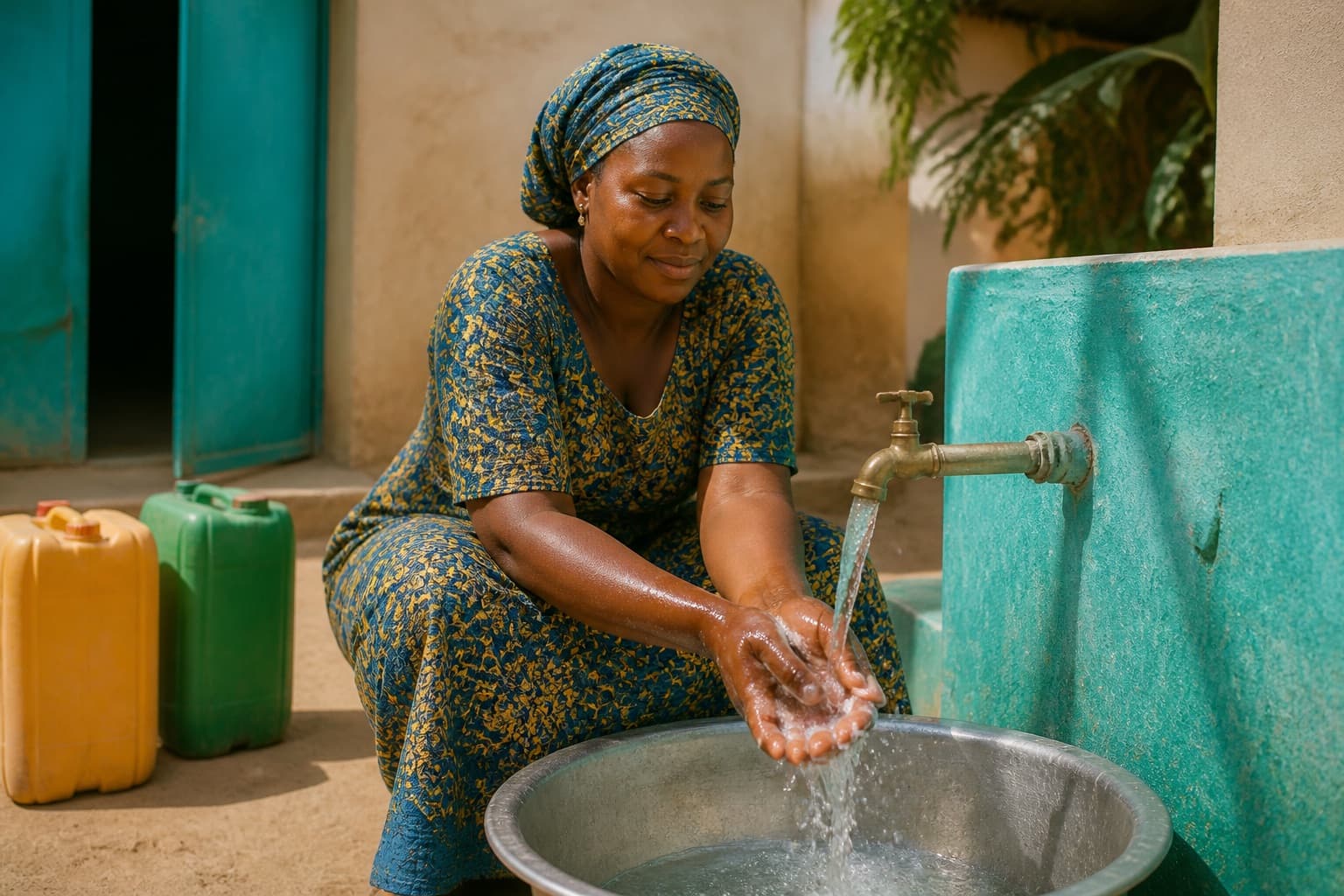
Prevention also happens at home. Illnesses linked to water and dirty hands remain common in the rainy season. Simple steps, repeated every day, protect children and adults.
Wash your hands, for real
Soap and running water, or a clean jerrycan, are enough. Wash your hands before cooking, before eating, after the toilet, and after changing a child.
Drink safer water
If you are not sure about tap or well water, boil it, use a recognised filter, or trusted bottled water. Cover containers. Do not dip a cup that has already been used.
Diarrhoea: rehydrate at once
In a child, diarrhoea can dehydrate within hours. Offer drinks often. Oral rehydration salts, sold in pharmacies, are the first step recommended by clinicians, along with breast milk if the child is breastfed.
- Keep offering drinks, even in small sips
- Do not give an antibiotic without medical advice
- Go to a health centre if the child is very weak, has sunken eyes, stops drinking, vomits everything, has blood in the stool, or a high fever
Find an AFROCARE partner
A pharmacy, health post, or clinic in the network can advise on rehydration salts and examine a child who is unwell. The AFROCARE directory lists partners near you.
Frequently asked questions
Is soap really needed?
Yes. Water alone removes some dirt. Soap reduces microbes better before meals and after the toilet.
What first if a child has diarrhoea?
Offer drinks often, with oral rehydration salts if you have them, and seek care if the child gets worse. Do not wait until they can no longer drink.
Educational content. It does not replace a consultation, diagnosis, or treatment prescribed by a health professional.